
The first snow on Sierra Blanca brings two things to our roads: skiers headed up NM-532 to Ski Apache, and cars in the ditch. Here is the short answer on how auto coverage usually sorts out a winter mountain-road loss. Sliding on ice into a guardrail, a tree or a snowbank is usually a collision claim. Hitting a deer or an elk is usually a comprehensive claim. Getting towed out is often a separate line altogether. Which of those you carry decides who pays.
Why is a slide-off a collision claim?
Collision coverage is the part of an auto policy that typically pays to repair your own vehicle after it hits something, another car, a guardrail, a rock face, or the ground when it rolls. Ice is the cause, but the car striking the guardrail is the event, and most policies treat it as a collision.
That matters for two reasons. First, collision carries its own deductible, which is often higher than the comprehensive deductible. Second, collision is optional. A paid-off truck that has been on a liability-only policy for years has no collision coverage at all, which usually means a solo slide-off is the owner’s to pay. Liability coverage, the part New Mexico requires, is built to pay for damage you cause to other people and their property, not to your own vehicle.
Why is hitting an elk different?
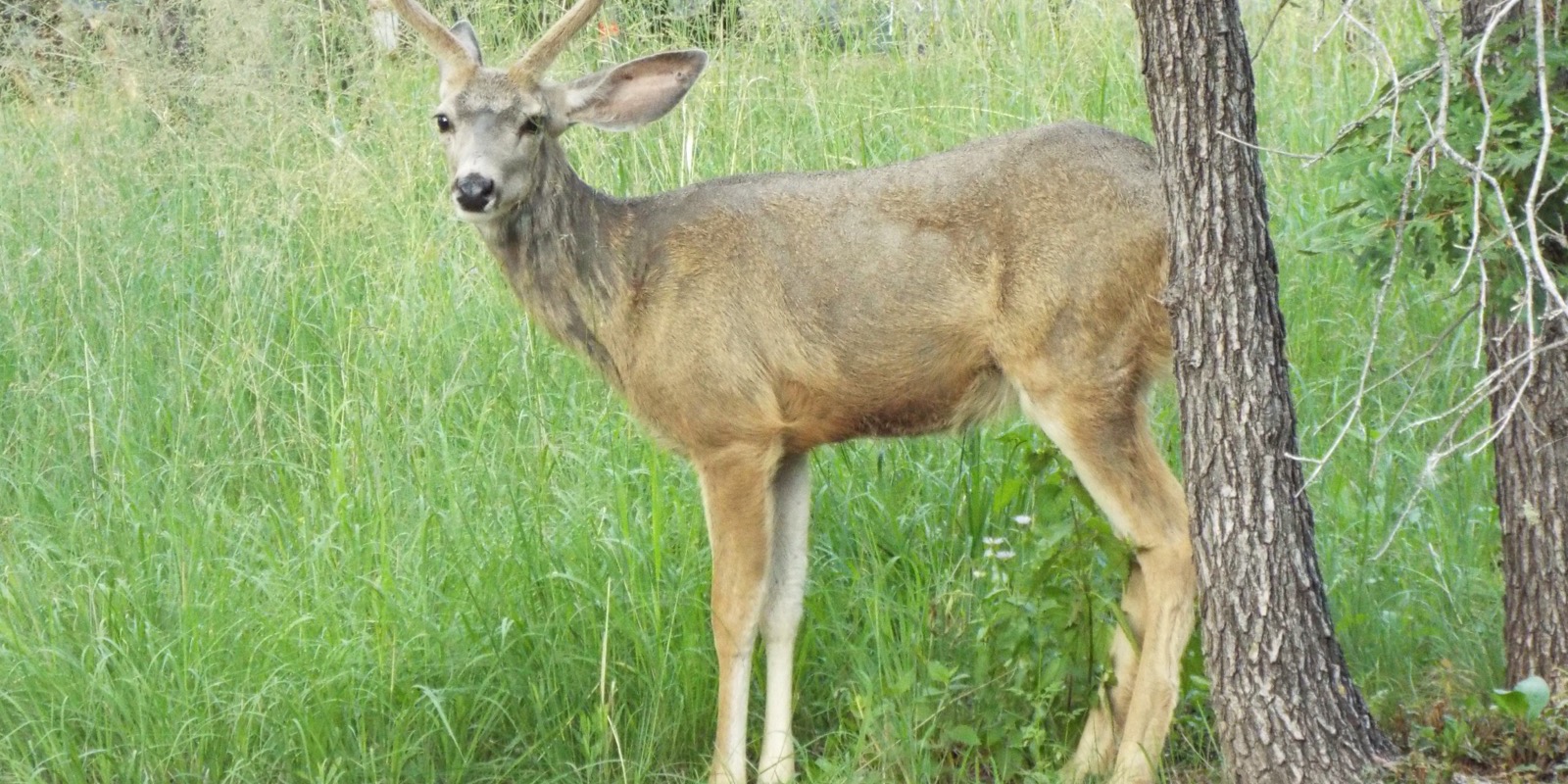
Animal strikes are one of the few crashes most policies handle under comprehensive instead of collision. Comprehensive is the coverage for damage that is not a collision with another car or object: hail, a falling branch, theft, fire, and contact with an animal.
On US-70 between Ruidoso Downs and the Mescalero summit, and on NM-48 north toward Alto and Capitan, deer and elk crossings are part of winter driving. The wrinkle most people miss: if you swerve to miss the elk and hit a tree instead, many policies treat that as a collision, because the car never touched the animal. Policies vary on this, and your policy’s wording is the thing that answers it.
Who pays for the tow out of the ditch?
Towing and roadside assistance are often an optional add-on to an auto policy, priced and listed separately on the declarations page. A car can carry full collision and comprehensive and still have no towing line. On a busy powder day, a tow from the road to Ski Apache can take hours to arrive and can cost more than people expect.
Some drivers get roadside help through an auto club, a new-car warranty or a credit card instead. It is worth knowing which one you have before you are standing in the snow looking it up on one bar of signal.
What about the other driver?
If someone else slides into you, their liability coverage is the first place a claim usually goes. New Mexico has one of the higher shares of uninsured drivers in the country, which we covered in our post on uninsured motorists in New Mexico. When the other driver has no insurance, uninsured motorist coverage on your own policy is typically what responds, if you carry it.
A few habits that help on the mountain
None of these are about buying anything. Check the New Mexico Department of Transportation road conditions before heading up, carry chains or traction devices when conditions call for them, keep a blanket and water in the car, and slow down well before the curves above the Ruidoso city limits. Photos of the scene and the road surface help any claim later.
Before the season starts
Pull up your auto declarations page and look for three lines: collision, comprehensive and towing. If one is missing, that is a question worth answering before the snow, not after.
If you drive the mountain all winter, look at our auto insurance page, then call us at (575) 434-2719 or start a quote. We will go through your declarations page with you, line by line, here in the Sacramento Mountains.
This article is general information about how coverage typically works, not advice about your specific situation. Every policy reads a little differently, and yours is the only thing that says what you have. If you’d like someone to read it with you, call our Sudderth Drive office — that’s what we’re here for.