The Call We Hate to Get
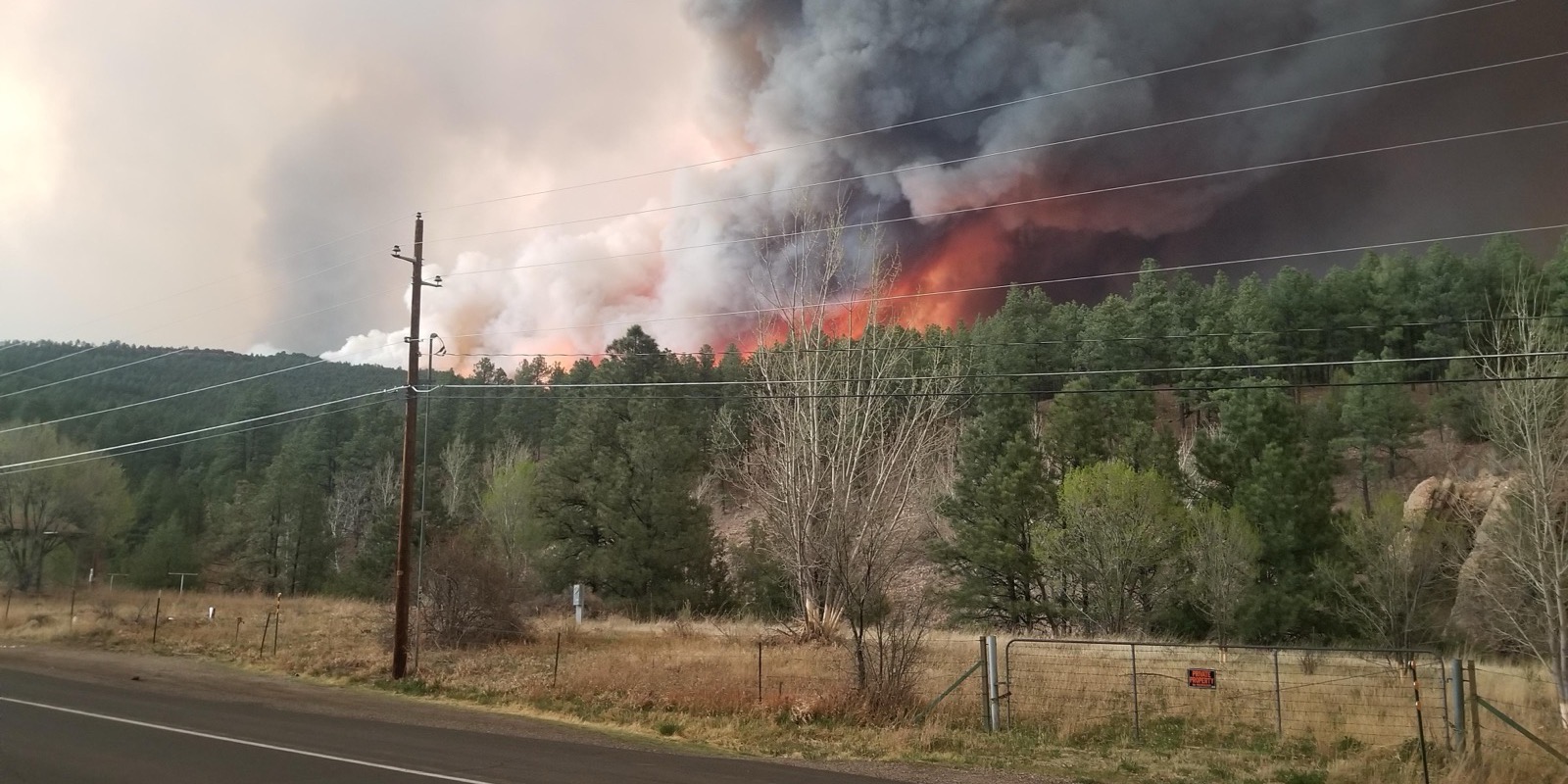
It is a June afternoon. There is a column of smoke over the ridge and the evacuation map is updating every hour. The phone rings, and it is a homeowner in Alto who has been meaning to add flood coverage, or raise the dwelling limit, or replace the policy that was non-renewed in April. They want it bound today.
We cannot do it. Not because we do not want to, and not because of anything about their house. Because every carrier we represent has a rule, and the rule is the same everywhere.
What a Binding Restriction Is
When a wildfire, flood, or other catastrophe is active, carriers issue what is called a catastrophe binding restriction, or a moratorium, for the affected area. It is usually defined by county, ZIP code, or a radius around the incident. While it is in effect, no new policy can be bound, no coverage can be added, and often no limits can be increased on existing policies within that area.
The standard threshold is containment. Most carriers lift the restriction once the event is at least 90% contained, as reported by the incident command. Some wait for full containment. Some keep the block on for days after.
This is written into every one of our intake forms because it is the single most important thing to understand about buying insurance in the mountains: the carriers decide when the block lifts, not the agency. There is no exception we can request. There is no manager to call. An agent who tells you otherwise is not telling you the truth.
What It Looked Like in 2024
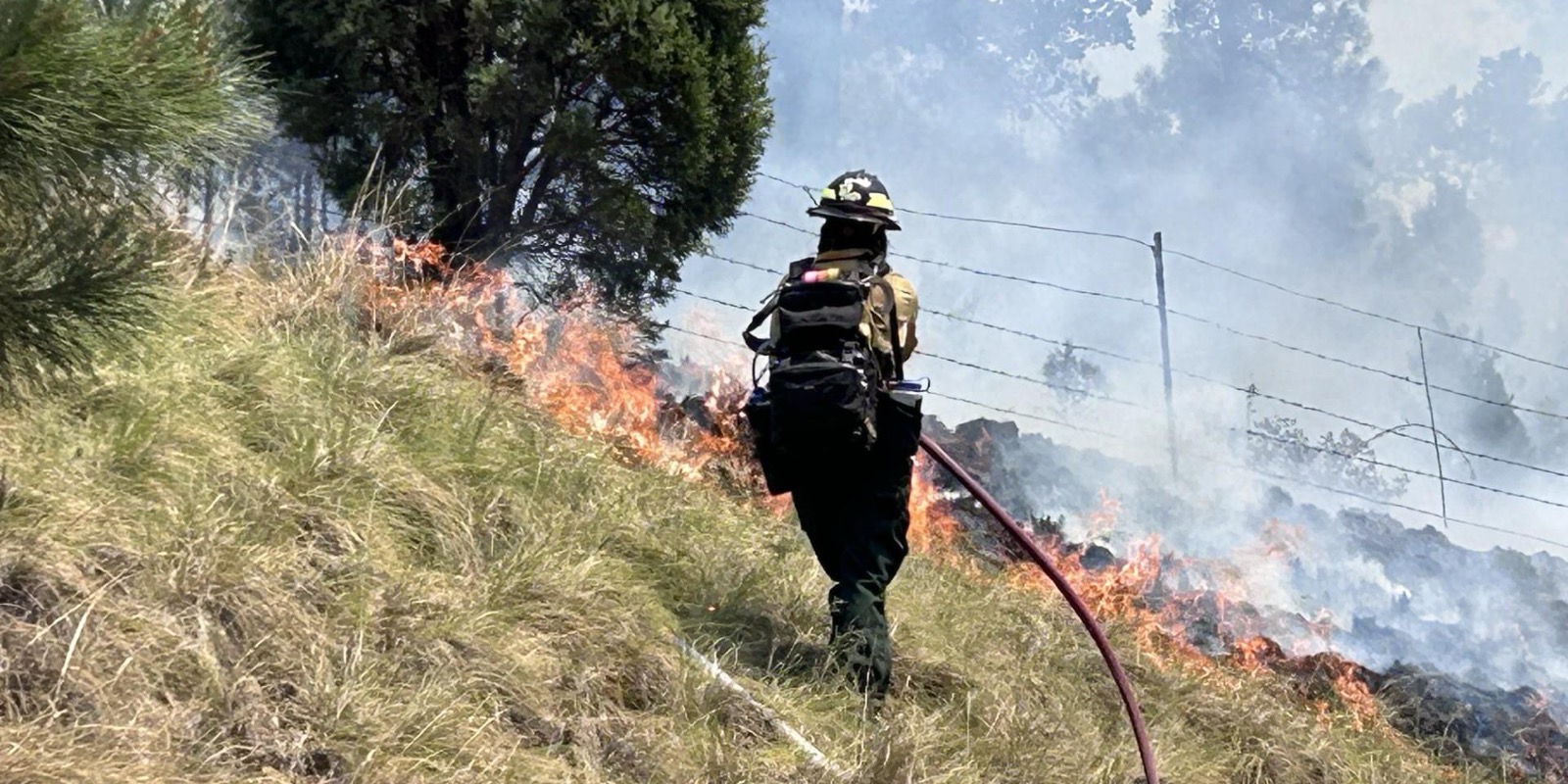
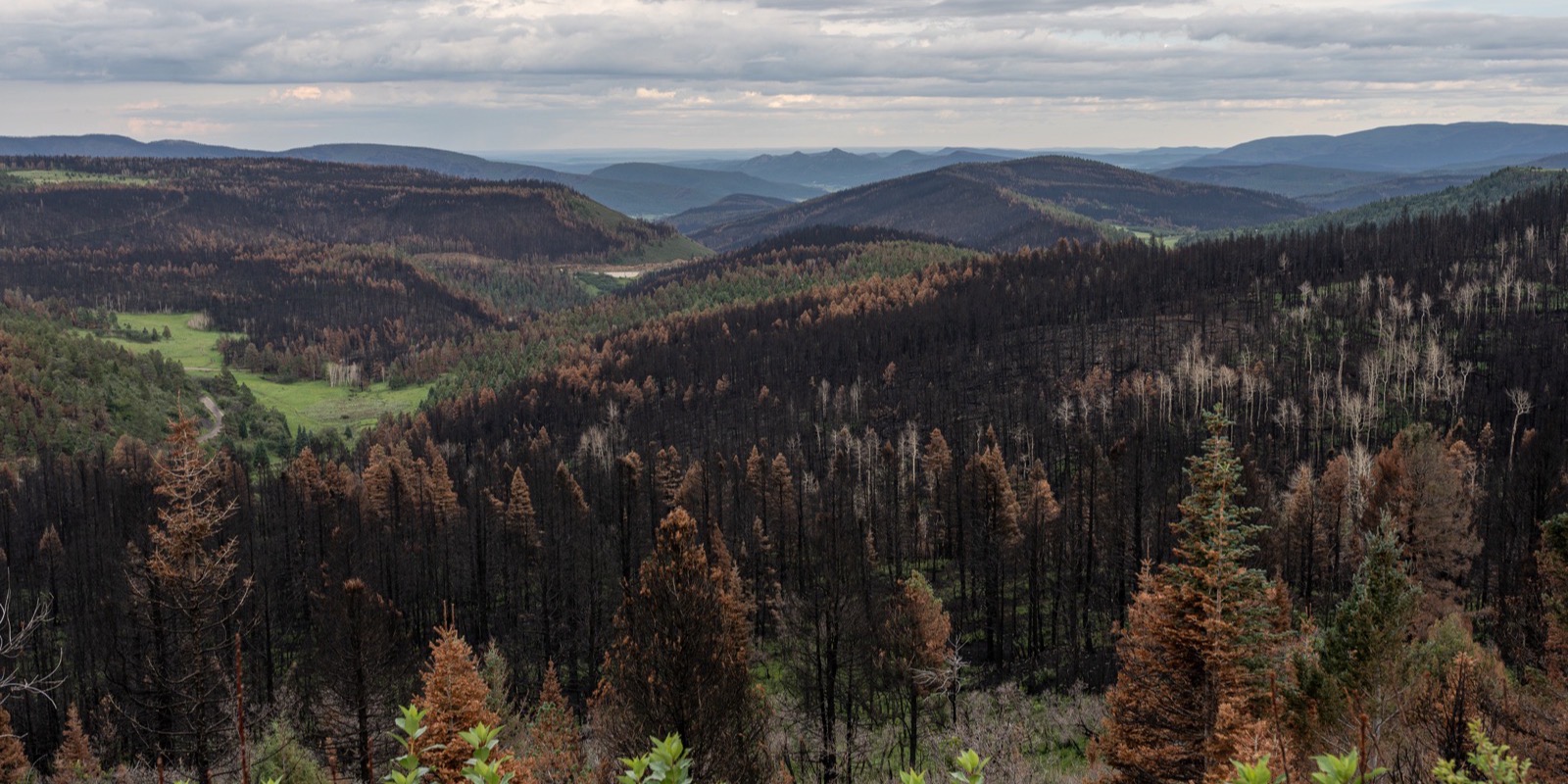
The South Fork Fire started on June 17, 2024. By the time it was 99% contained it had burned 17,569 acres. The Salt Fire, burning at the same time, reached 7,939 acres. FEMA declared a major disaster, DR-4795, on June 20, with an incident period that ran through August 20 because the fires were followed by the burn-scar floods.
For most of that window, binding was blocked across Lincoln County. Homeowners who had been putting off a decision in May found that the decision had been made for them in June. Some of them were the same people who had been non-renewed that spring and had not yet replaced the policy.
What You Can Still Do During a Block
You can be quoted. We can gather your information, submit the application, and get the carrier’s terms and price in hand. The policy simply cannot be bound, meaning it cannot take effect, until the restriction lifts. When it does, we bind that day.
You can pay for what you already have. Existing policies stay in force. If you are worried about a lapse, call us and we will confirm your status with the carrier.
You can file a claim. A binding restriction has nothing to do with claims on a policy that is already in force.
What You Should Do Before a Block
Everything else.
Buy before fire season. In our part of New Mexico, that means having coverage decisions made by early spring. If you are thinking about flood coverage, the waiting period plus a summer moratorium can mean months without protection if you wait.
Renew early. If your policy renews in June or July, ask us to start the renewal in April. If the carrier is not renewing, we need that time to place the home somewhere else before the smoke.
Raise limits now. Rebuilding costs after 2024 are higher than most policies assume. If your dwelling limit has not been reviewed since the fires, review it in the off-season, because you will not be able to change it in June.
The Honest Version
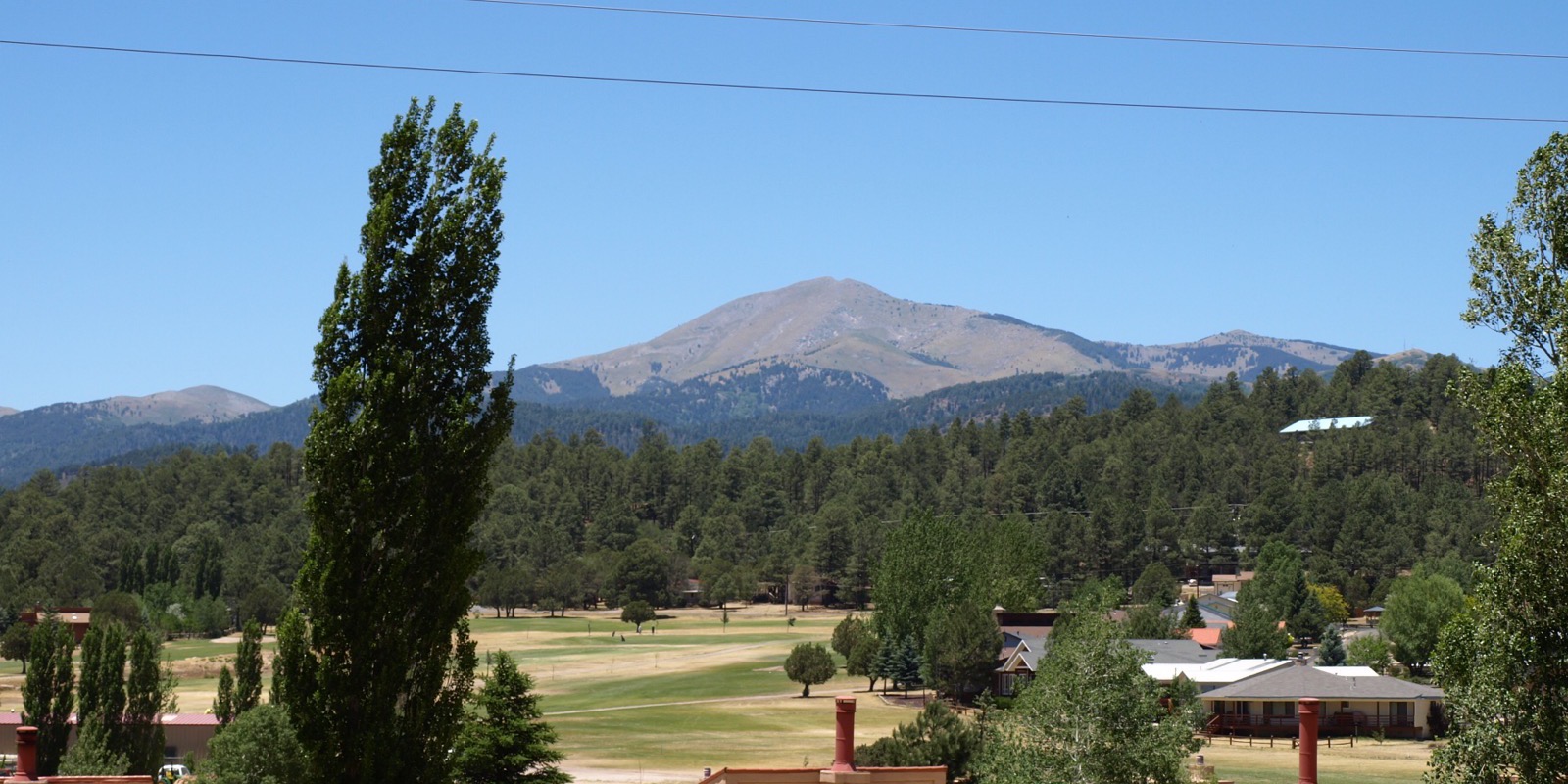
We wish this worked differently. We have stood in this office during an evacuation and taken calls we could not help with, and it does not get easier. The only thing that helps is telling people early and clearly: the time to put coverage in place is when the ridge is quiet.
If yours is not in place, start now. We will have it ready to bind the day it is allowed to.