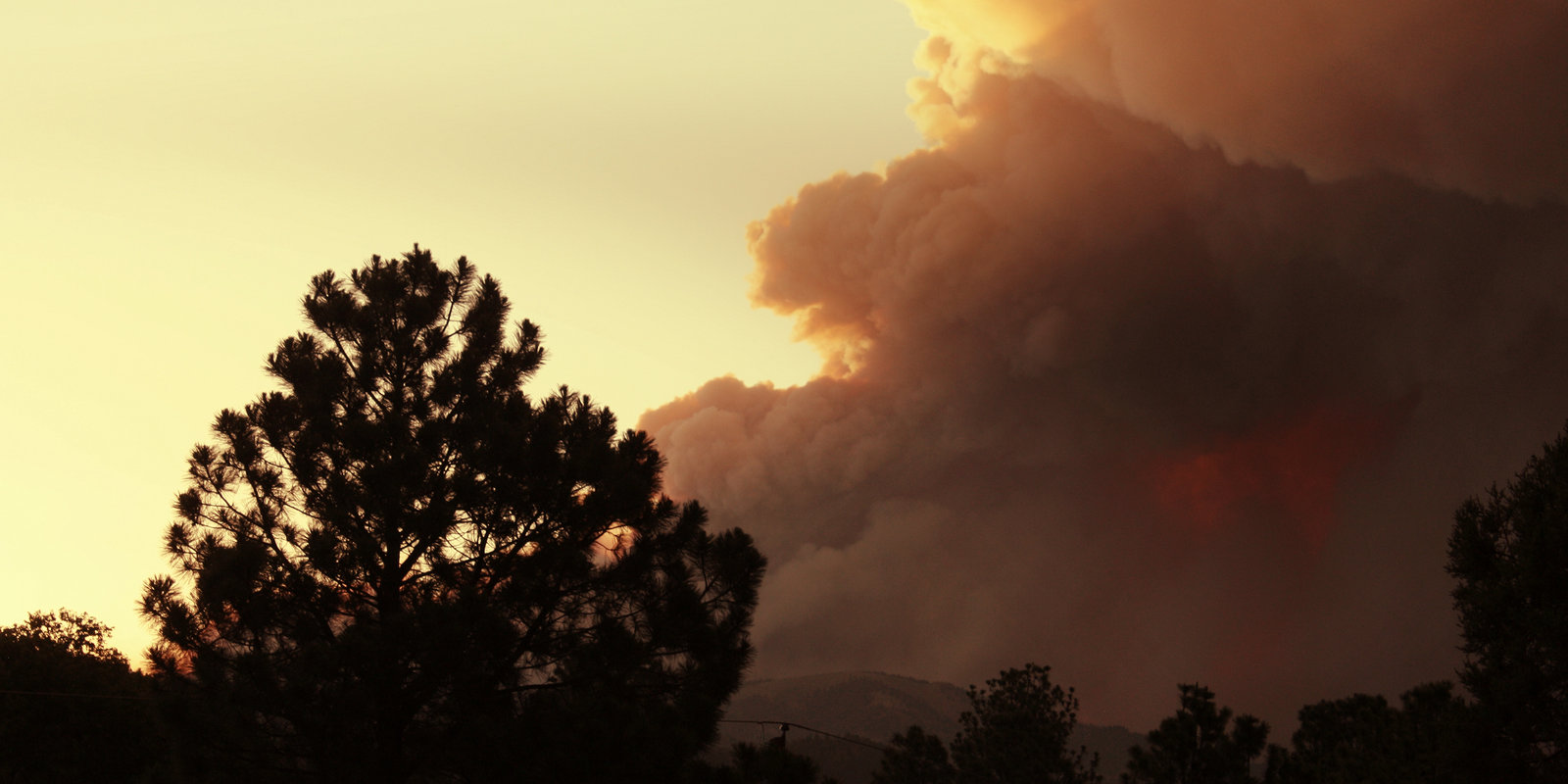
No, living in wildfire country usually does not change what you pay for life insurance. Home insurance in Ruidoso, Alto and Cloudcroft is priced heavily around where the house sits. Life insurance works differently. It is priced mainly on your age and your health, and a mountain address is rarely part of that math. We hear this question often from families who just went through a hard homeowners renewal and are bracing for the same thing on the life side.
What life insurers actually weigh
When you apply for life insurance, the company is estimating how long you are likely to live. The main things it looks at are:
- Age. The younger you are when you buy, the lower the cost tends to be for the same amount of coverage.
- Health. Height and weight, blood pressure, cholesterol, current conditions and medications, and sometimes a short exam or lab work.
- Family history. Early heart disease, cancer or other conditions in parents or siblings.
- Tobacco and nicotine. This includes chewing tobacco and vaping on many applications.
- Driving record. DUIs and serious violations can affect the offer.
Notice what is not on that list: your county’s wildfire score. The insurer is looking at you, not at the slope behind your house.
When the mountains do come up
There are a few places where life out here can show up on an application, and it is better to know them going in.
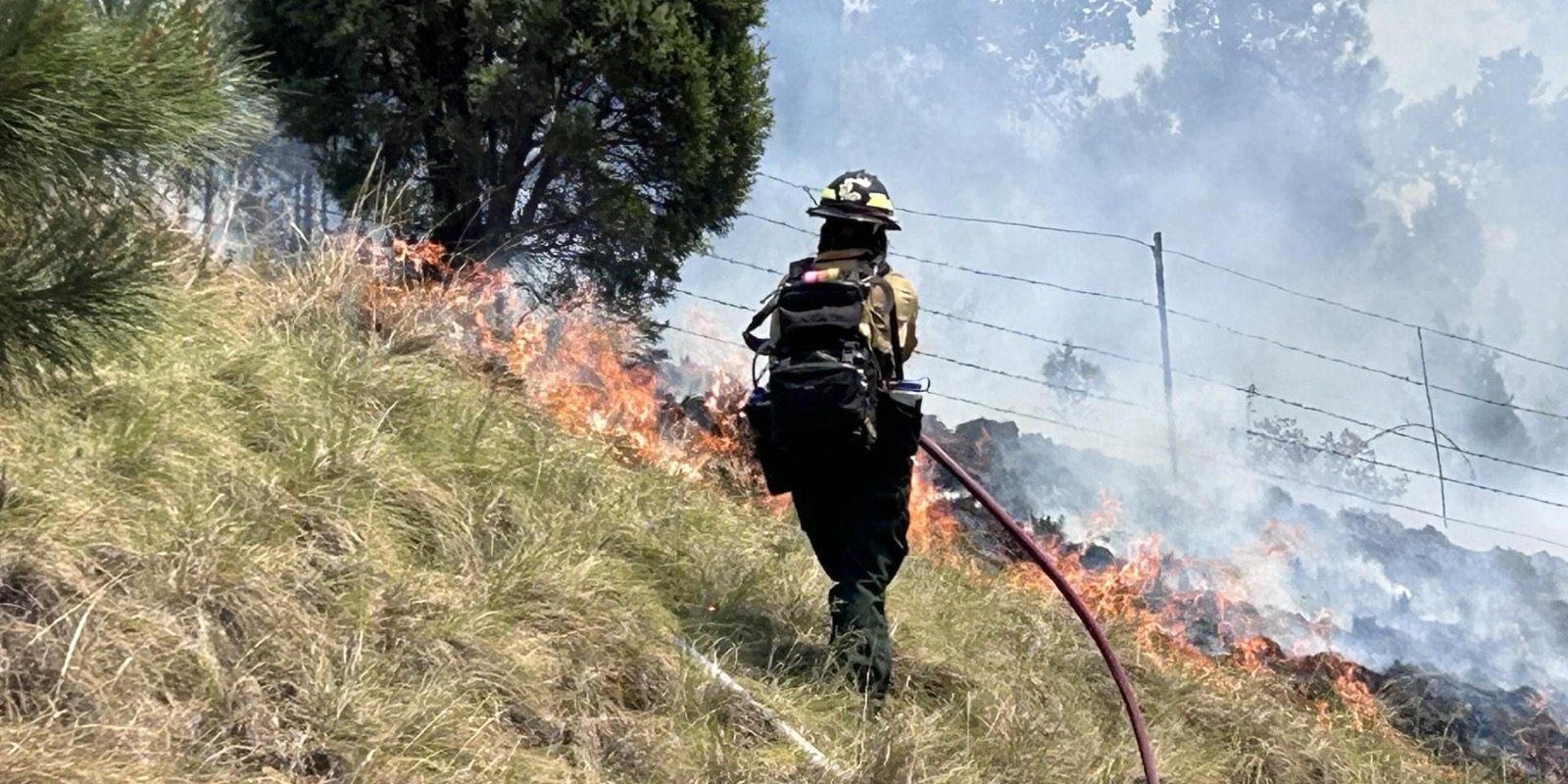
Work. Some jobs are asked about more closely. Wildland firefighting, logging, ranch work with heavy equipment and some construction trades can lead to extra questions. That does not mean coverage is off the table. It means the application asks for more detail.
Hobbies. Private flying, backcountry hunting trips, climbing, racing and similar activities can come up. Many people with these hobbies get coverage, sometimes with different terms.
Travel and seasonal work. Long stretches out of the country can be asked about. Working seasonally in Ruidoso or at the ski area is not usually a concern by itself.
What about a fire, a flood or an evacuation?
A standard life policy generally pays the death benefit whether a death came from illness, an accident or a natural disaster. The common exceptions are written into the policy itself, such as a suicide exclusion in the first couple of years and the insurer’s right to contest an application during an early period if something on it was misstated. That is one more reason to answer health and lifestyle questions fully and honestly. Your policy wording is what decides how any of this applies.
Why fire country is still a reason to look at it
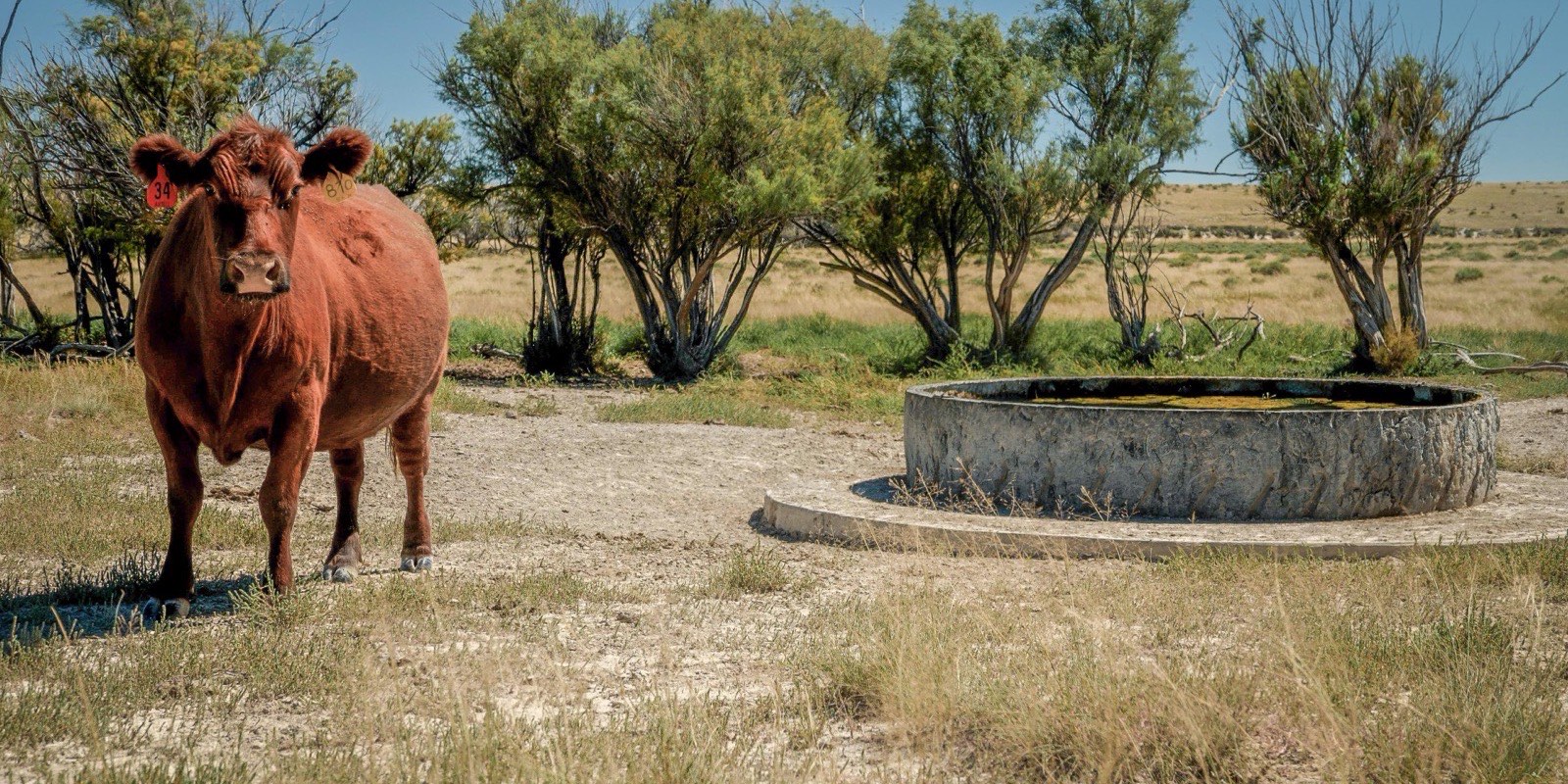
The connection between wildfire and life insurance is not in the pricing. It is in what is at stake. A lot of families here have most of their net worth in a home, a ranch or a small business. If the person who earns most of the income is gone, the mortgage, the ranch note, the payroll and the cost of a rebuild do not stop. Life insurance is how many families make sure the people left behind can stay put, keep the operation going or start over somewhere else on their own terms.
For ranch families, life coverage often ties directly into how the place passes to the next generation. We touched on the property side in insuring a Lincoln County ranch.
The one factor you cannot fix later
Most of the things underwriters look at can change. Health can improve. A driving record clears with time. Age only goes one direction. There is a saying I share with nearly every family that asks about this: “Life insurance — it’s cheaper to buy ten years early than one minute too late.”
If you want to see what coverage could look like for your family, start with our life insurance page or call (575) 434-2719. We are happy to sit down at the office in Ruidoso and talk it through.
This article is general information about how coverage typically works, not advice about your specific situation. Every policy reads a little differently, and yours is the only thing that says what you have. If you’d like someone to read it with you, call our Sudderth Drive office — that’s what we’re here for.