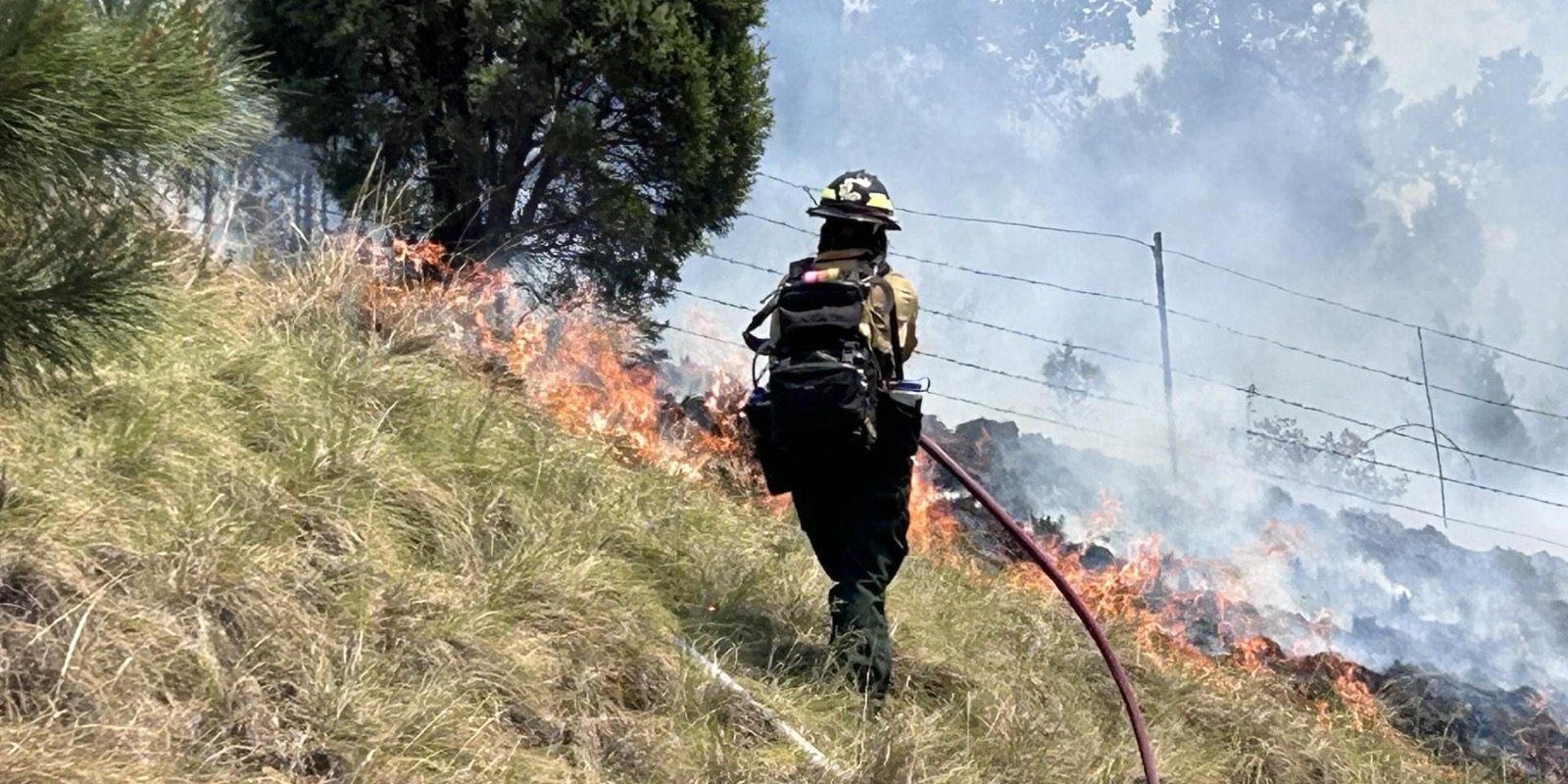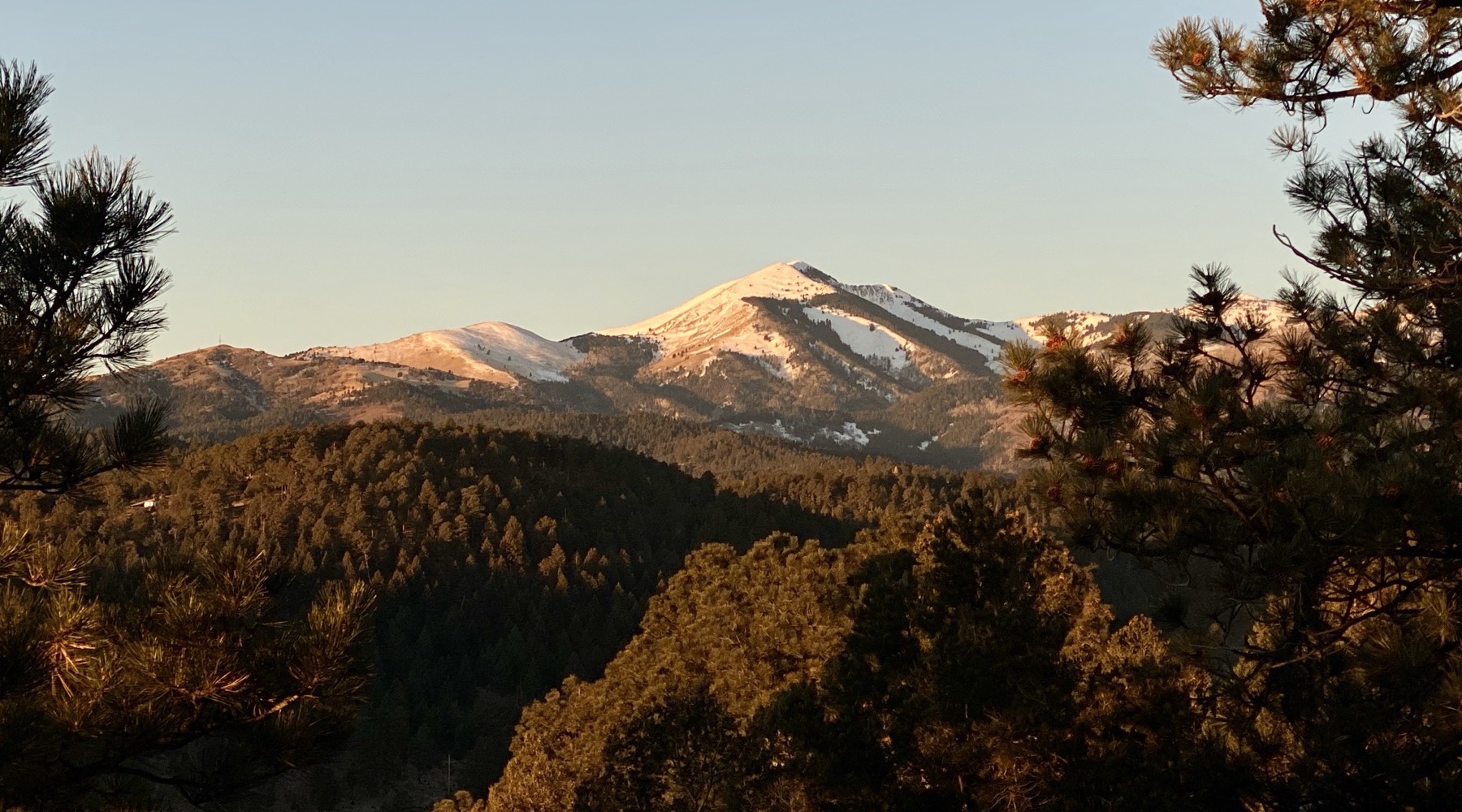
Homeowners insurance in New Mexico is written in three kinds of markets: standard carriers, surplus lines insurers, and the New Mexico FAIR Plan. Which one ends up on a house depends mostly on where it sits and what threatens it. From a cabin in Ruidoso to a ranch house outside Roswell is about 75 miles, and over that drive the main risk changes from wildfire to flood. That shift explains a lot about why two homes of the same size can get very different answers.
What does the risk look like county by county?
FEMA’s National Risk Index estimates how much building damage each county can expect in an average year, and which hazards cause it. The December 2025 figures for our part of the state:
- Lincoln County (Ruidoso, Alto, Capitan): about $25.1 million a year in expected building losses, and wildfire accounts for about $14.0 million of it, roughly 56%. FEMA rates Lincoln County’s wildfire risk Relatively High, higher than about 98% of U.S. counties.
- Otero County (Alamogordo, Cloudcroft, Tularosa): wildfire is rated Relatively High here too, but inland flooding is the bigger line, about $26.3 million of $38.8 million, roughly 68%.
- Chaves County (Roswell): flooding is about 93% of expected building losses, and strong wind is rated Relatively High.
Here is the finding most people do not expect. In two of these three counties the largest expected losses come from flood, and a standard homeowners policy typically excludes flood. It is bought separately. Our post on Roswell and Chaves County flood risk goes into that county in detail.
What are the three markets?
Standard (admitted) carriers. These are insurers licensed by the state, with rates and forms filed with the Office of Superintendent of Insurance. This is where most homeowners policies start. A standard carrier decides house by house whether a home fits what it wants to write, and that changes as conditions change.
Surplus lines. When the standard market passes on a home, a surplus lines insurer may consider it. These insurers can set their own forms and rates, and they are not backed by the state guaranty fund the way admitted insurers are. Our post on surplus lines home insurance explains what to read for.
The New Mexico FAIR Plan. This is the state’s coverage of last resort for property owners who cannot find coverage in the open market. The state insurance office describes FAIR Plan policies as written at actual cash value, meaning depreciation is subtracted, and in 2025 the maximum residential limit was raised from $350,000 to $750,000. We explain how it works in the New Mexico FAIR Plan, explained.
Why did the market get tighter?
The state insurance office reported over 10,000 homeowners non-renewals in New Mexico from the top 10 insurers between January 1, 2021 and July 1, 2024, with a significant jump in 2023. In the same release it cited a Consumer Federation of America estimate that 13% of New Mexico properties are uninsured, the second-highest rate in the country. Those are statewide numbers, but most of us on the mountain know someone who got the letter.
That is the honest picture: in wildfire country, getting and keeping a policy can be the hard part. We wrote more about that in can you still get home insurance in Ruidoso.
What changes from town to town?
- Ruidoso, Alto and Cloudcroft: expect questions about roof material, distance to the trees, defensible space, and access for fire trucks. Mountain homes are more likely to see surplus lines or the FAIR Plan as options.
- Alamogordo and Tularosa: more homes fit the standard market, and flood maps and drainage get more attention.
- Roswell: wind and hail deductibles, and how close the home sits to a drainage that has flooded before, tend to matter more than wildfire.
What to look for on your declarations page
Whatever market a policy comes from, the same few lines are worth reading: the dwelling limit and whether it is replacement cost or actual cash value, any separate wildfire, wind or hail deductible, and what the policy says about flood. Policies vary on this more than people expect, and your policy is the thing that answers it.
If you’d like a second set of eyes, see our home and property page, call (575) 434-2719, start a quote, or bring a non-renewal letter or your current declarations page into the office. We look at homes across the Sacramento Mountains and down into the Pecos Valley.
This article is general information about how coverage typically works, not advice about your specific situation. Every policy reads a little differently, and yours is the only thing that says what you have. If you’d like someone to read it with you, call our Sudderth Drive office — that’s what we’re here for.