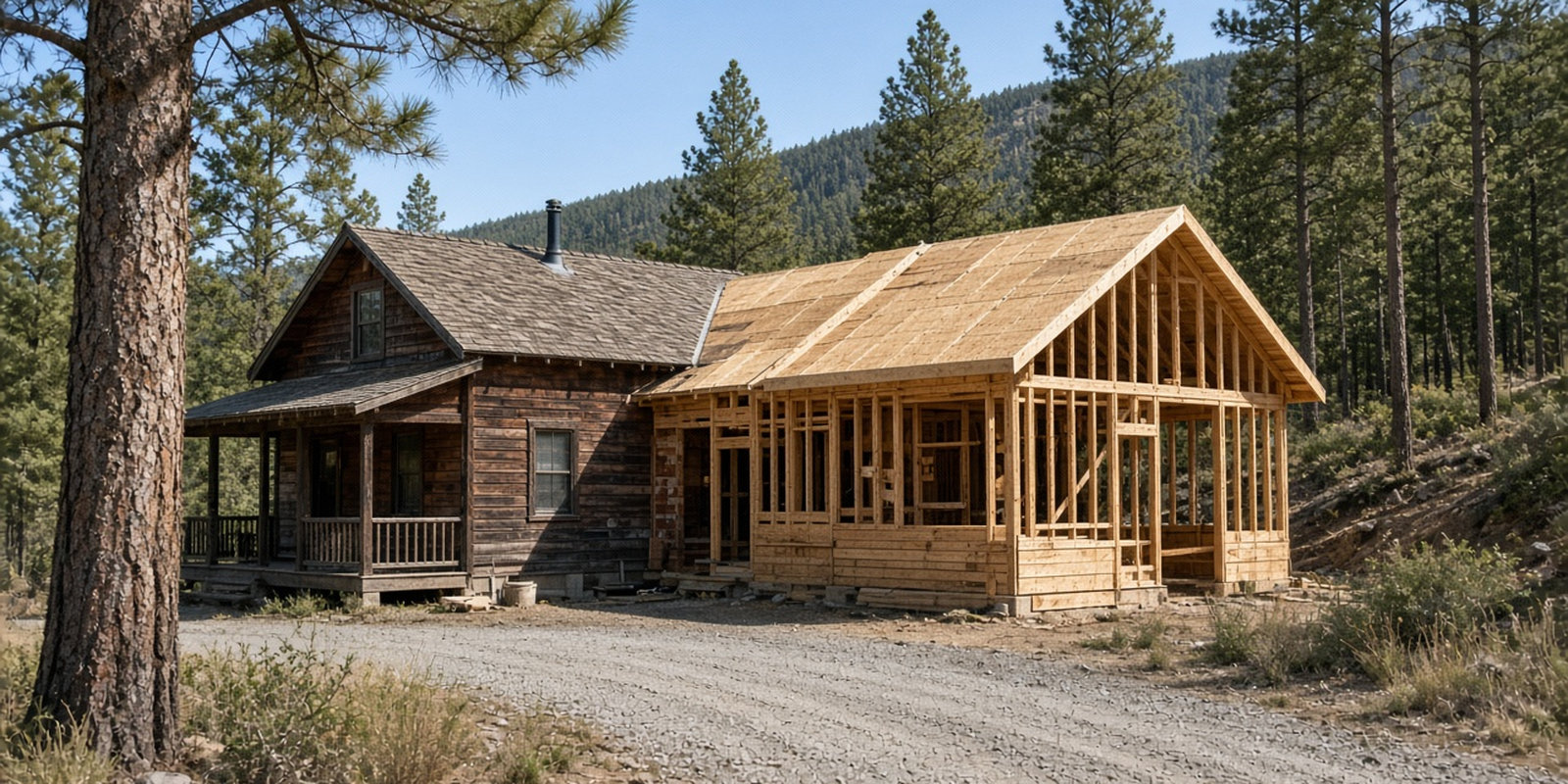
Loss of use coverage is the part of a homeowners policy that typically pays the extra cost of living somewhere else when a covered loss makes your home unfit to live in. It is usually listed as Coverage D. It pays the increase over what you normally spend, such as a rental instead of your own house, or restaurant meals instead of your kitchen, while the home is repaired or rebuilt. Many policies set the limit at about 20% of the dwelling limit. Evacuation orders are handled differently than damage, and usually for a shorter time.
What does it typically pay for?
On the standard HO-3 homeowners form, Coverage D is one limit shared by three pieces:
- Additional living expense. If a covered loss makes the part of the home where you live not fit to live in, the form pays the necessary increase in living expenses so the household can keep its normal standard of living. That often includes temporary housing, the extra cost of meals, storage, and extra mileage.
- Fair rental value. If part of the home is rented to others and a covered loss makes it unlivable, the form pays the rent that would have come in, minus expenses that stop.
- Civil authority. If a civil authority prohibits use of the home because of direct damage to neighboring property from a covered peril, the form pays living expense and rental value for no more than two weeks.
The key word is increase. If your mortgage keeps going and you normally spend a set amount on groceries, the coverage typically pays what goes above that, not the whole bill. Keeping receipts for everything is what makes the claim work.
How are the limits usually set?
The Insurance Information Institute says many policies provide loss of use equal to about 20% of the dwelling limit. Some policies use a time limit instead, and some use both. Here is the math, labeled as an example only: a home insured at $400,000 on the dwelling line, with a 20% Coverage D, would carry $80,000 for loss of use.
That number can sound like a lot until you think about how long a full rebuild can take, especially when many homes in one area are rebuilding at the same time. Our post on rebuild cost versus market value in Lincoln County explains why the dwelling limit itself deserves a hard look, and Coverage D usually moves with it.
Is an evacuation order the same as damage?
Usually not. Being ordered out because a fire is near is different from having your own home damaged. On the standard form, the civil authority piece applies when the order comes because of direct damage to neighboring property from a covered peril, and it runs for no more than two weeks. If your own home is then found unlivable because of a covered loss, the additional living expense piece is what typically applies from there.
Policies vary on this more than people expect. The National Association of Insurance Commissioners notes that some insurers set conditions on evacuation benefits, such as waiting periods or actual damage to the property. The wording in your own policy is what decides it.
The wrinkle most people miss
Two things catch people off guard.
Flood. A standard homeowners policy typically excludes flood, and FEMA’s FloodSmart site lists temporary housing and additional living expenses among the things a federal flood policy does not cover. A home made unlivable by flood is a separate question from one made unlivable by fire.
Second homes. Additional living expense is built around the place where you live. A cabin that sits empty most of the year may not have the same loss of use picture as a primary home, and a cabin rented to guests raises the fair rental value question instead. Our post on seasonal homes in Ruidoso covers how often that comes up here.
What to look for on your own policy
Find Coverage D on your declarations page. Check whether it is a dollar amount, a time limit, or both, and read the civil authority section for how many days it allows. Your policy is the thing that answers this.
If you’d like us to read it with you, see our home and property page, call (575) 434-2719, or bring your declarations page by the office. We go through Coverage D with homeowners in Cloudcroft, Ruidoso and across the Sacramento Mountains.
This article is general information about how coverage typically works, not advice about your specific situation. Every policy reads a little differently, and yours is the only thing that says what you have. If you’d like someone to read it with you, call our Sudderth Drive office — that’s what we’re here for.