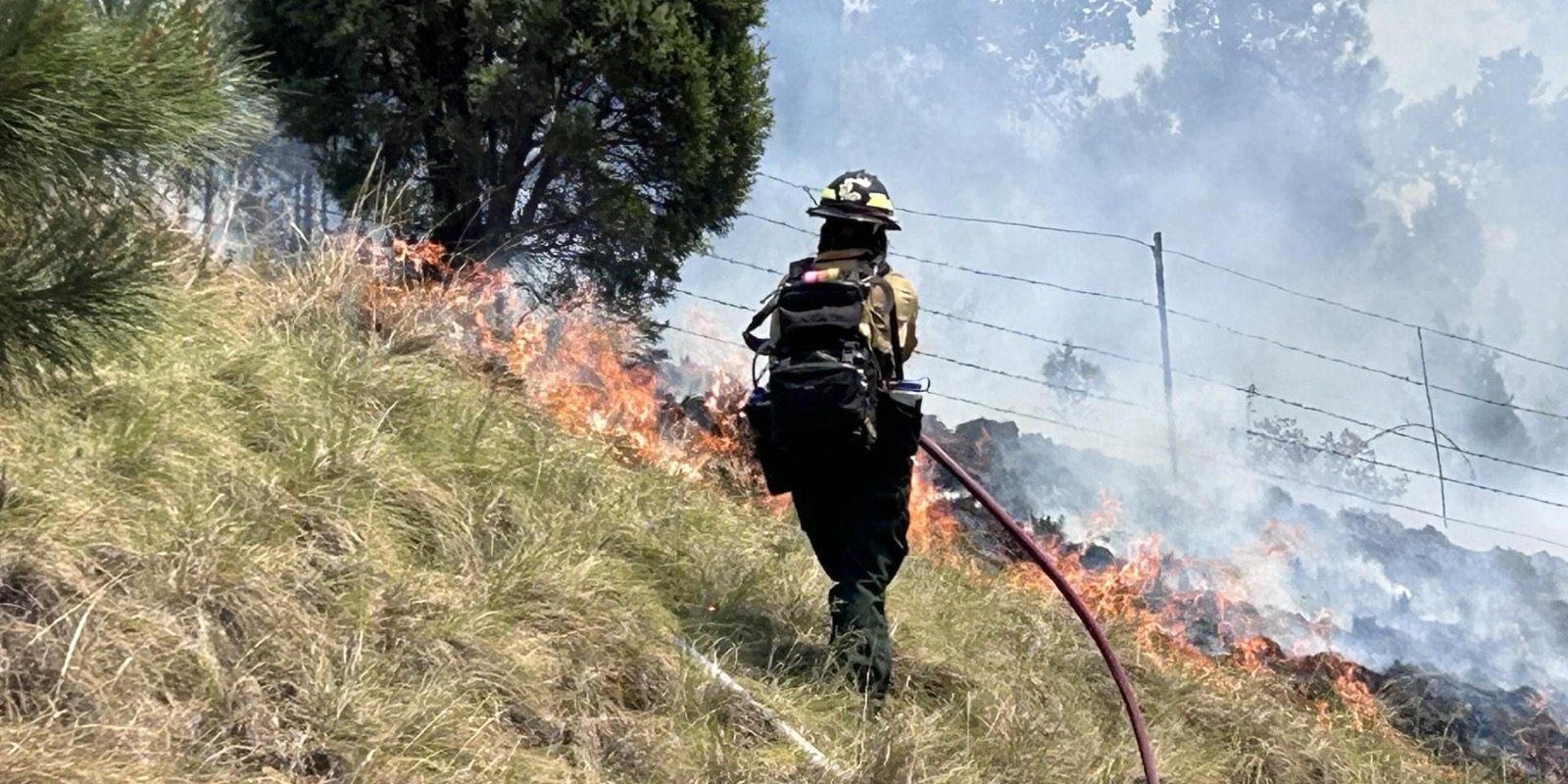
Otero County’s wildfire risk is nearly as high as ours in Lincoln County, even though most people think of it as desert. FEMA’s National Risk Index, updated in December 2025, gives Otero a wildfire risk score of 98.16 out of 100, rated Relatively High. Lincoln County scores 98.76. Yet Otero’s overall rating across every hazard FEMA tracks is only Relatively Moderate. If you own a home up around Cloudcroft, that split is worth understanding before your next renewal.
Why one county gets two very different ratings
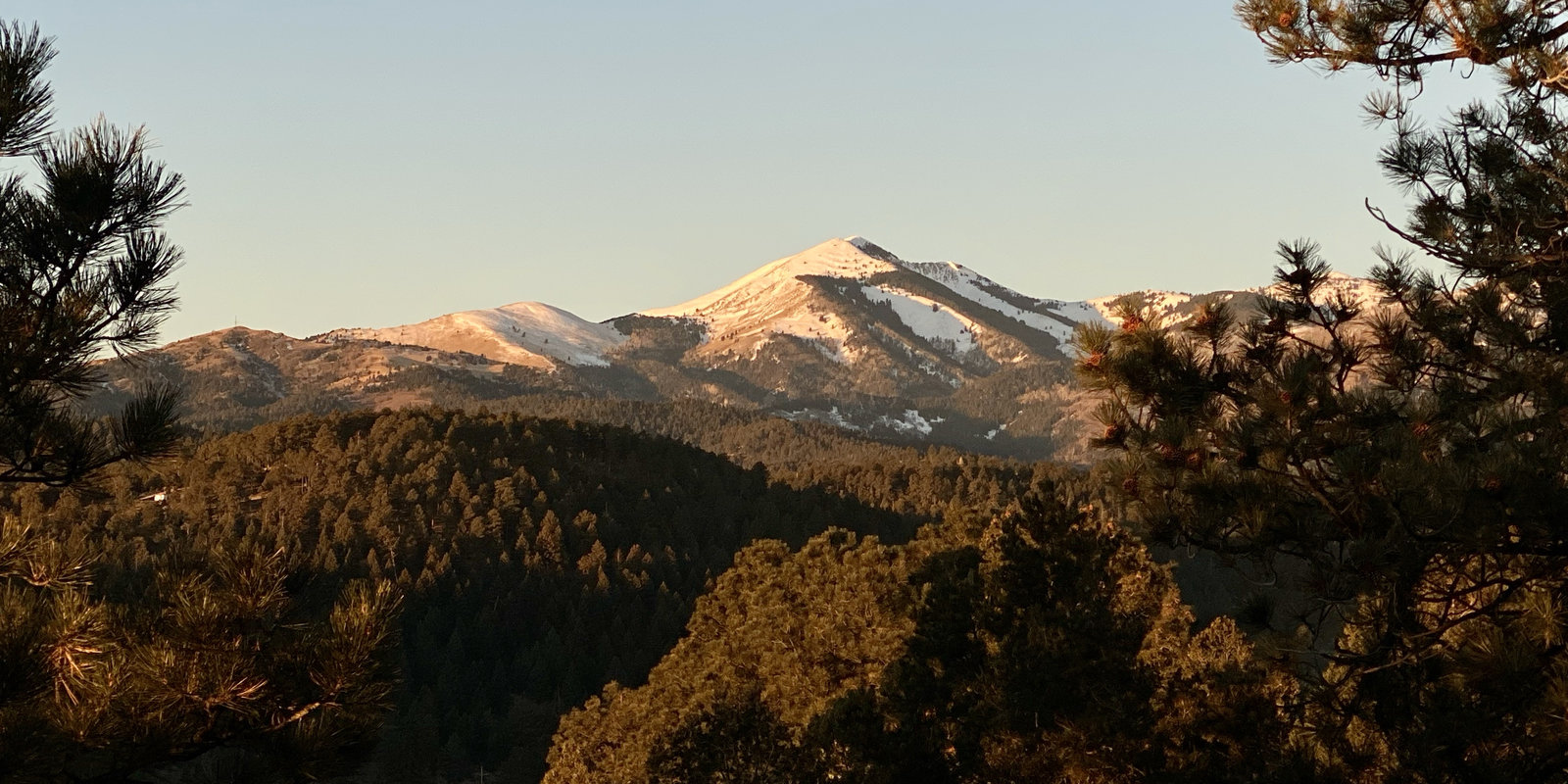
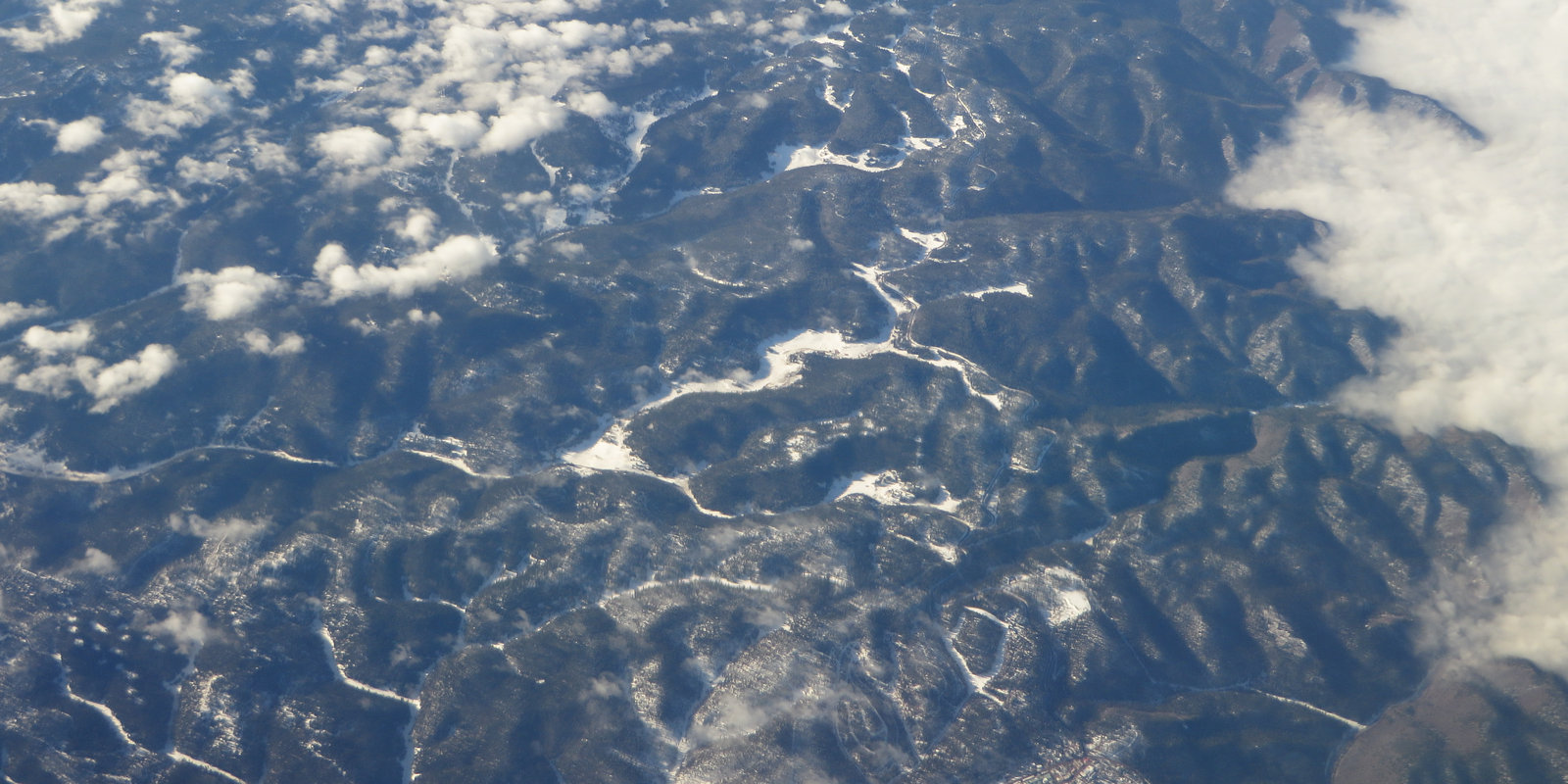
The National Risk Index scores each county on 18 natural hazards, then rolls them into one overall number. Otero is a big county. Most of its 67,699 residents live in and around Alamogordo, on the basin floor, where wildfire is a smaller concern. The Sacramento Mountains, with Cloudcroft, Mayhill, High Rolls and Timberon, are a different world: tall timber, steep slopes and one or two roads out.
When FEMA blends all of that together, the county-wide picture comes out moderate. The wildfire line on its own does not.
The number that surprised us
FEMA estimates that about 24,400 Otero County residents live in its wildfire exposure area. In Lincoln County, the figure is about 12,900. More people in Otero live where FEMA’s model expects wildfire, nearly twice as many, even though the share of the county’s buildings at stake is smaller.
That second part matters too. About $2.80 billion of Otero’s $14.44 billion in building value sits in the wildfire exposure area, roughly 19 percent. In Lincoln County, it is about $3.02 billion of $6.64 billion, close to 46 percent. FEMA puts Otero’s expected annual wildfire loss to buildings at about $11.2 million a year, against about $14.0 million for Lincoln.
So the two counties look different on paper. Lincoln has a larger share of its homes in the trees. Otero has more people living in the exposure zone, many of them in a handful of mountain communities.
What this means for a homeowners application
An insurer does not quote your home off the county average. Underwriting today looks at the specific address: slope, vegetation within a few hundred feet, distance to a fire station, the road in and out, and the roof. That is why a quote for a cabin outside Cloudcroft can come back with very different terms than one for a house in Alamogordo, even though both are in Otero County.
A few things tend to come up on mountain applications here:
- Roof and siding. Insurers ask what the roof is made of and how old it is. A Class A rated roof reads differently from wood shake.
- Defensible space. Questions about brush, firewood stacks and trees near the house are standard now.
- Fire protection. Distance to the nearest responding station and hydrant can move a home between rating classes.
- Occupancy. Many mountain homes are seasonal. A house that sits empty for weeks is asked about separately.
None of these questions mean an insurer has already said no. They are how the company sorts one address from the next. We walked through more of them in why a mountain home quote asks so many questions.
When the usual market says no
Some Sacramento Mountain addresses have a harder time finding a standard policy, the same as many in Ruidoso and Alto. When that happens, there are usually still options, including the New Mexico FAIR Plan and surplus lines companies. We covered how that search works in can you still get home insurance in Ruidoso, and the same steps apply across the county line.
Read the score as a starting point
A 98 on wildfire is not a verdict on your house. It is a signal that the companies writing homes in southern New Mexico are watching this hazard closely, and that the details of your property will carry more weight than they would somewhere else. Homes with good roofs, cleared ground and clear access often get a different reception than the score alone would suggest.
If you own in Cloudcroft, Mayhill or Timberon and want to know how your home reads to an underwriter, start with our home and property coverage page, or call us at (575) 434-2719. You can also bring in your current declarations page and we will go through it with you, line by line.
This article is general information about how coverage typically works, not advice about your specific situation. Every policy reads a little differently, and yours is the only thing that says what you have. If you’d like someone to read it with you, call our Sudderth Drive office — that’s what we’re here for.